Fengman Dam and Songhua Lake: Jilin's Lakeside Day Trip
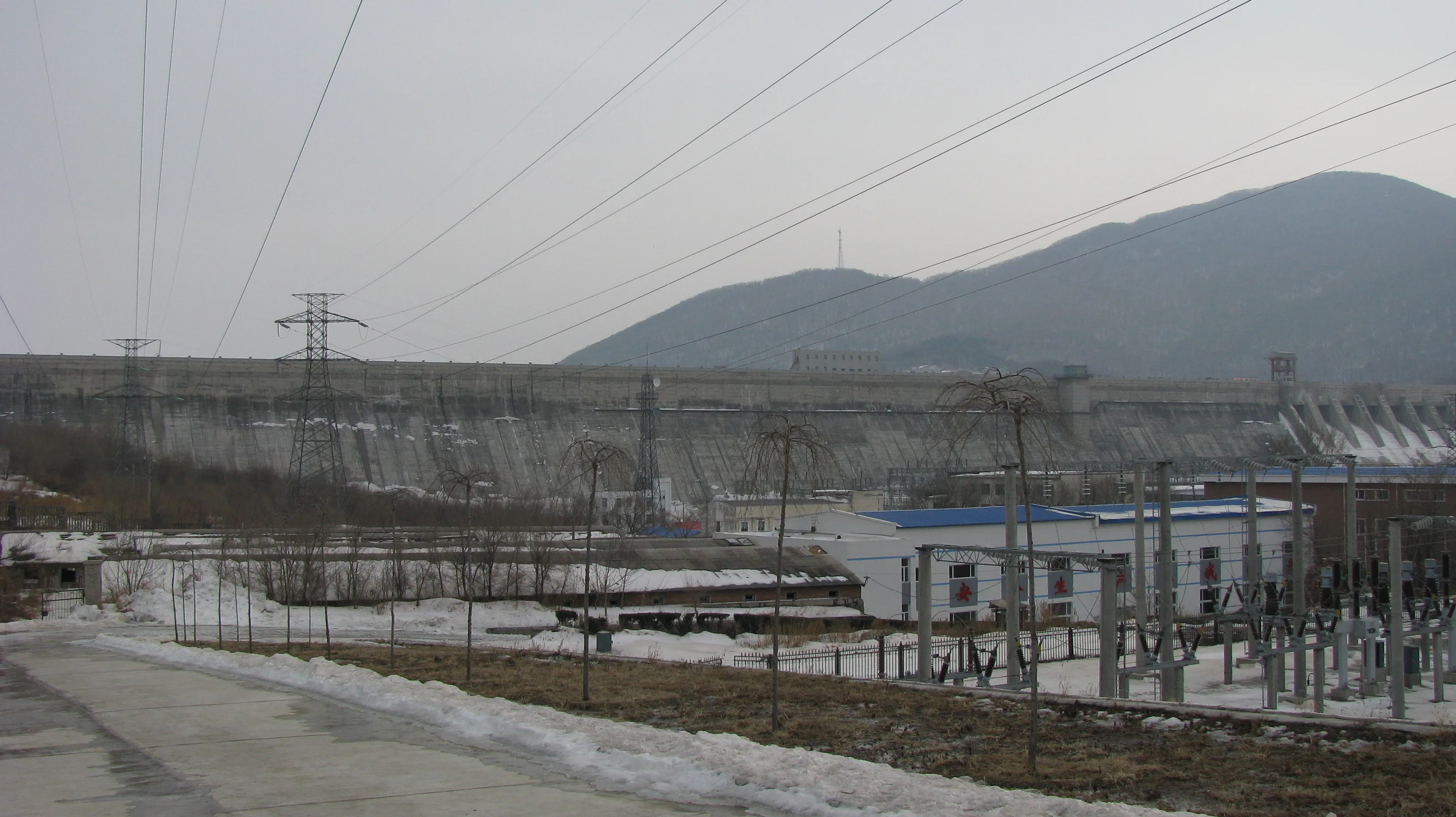
Fengman Dam and Songhua Lake in 30 seconds
- What it is: A working hydropower dam and the long reservoir lake behind it, about 20 km southeast of downtown Jilin City in Fengman District. The lake is the largest artificial lake in Jilin province and a national 4A scenic area.
- Why go: The dam is a piece of industrial history you can stand beside, and the lake is the city’s easy escape: boat trips across forested water, an island stop, and a fish lunch on the shore.
- How long: Half a day covers the dam viewpoint, the wharf, and a boat trip. A full day adds a slow lakeside lunch and the ski resort area in winter.
- Getting there: Buses 33 and 333 run toward the scenic area, and a taxi or Didi from downtown takes roughly 30 to 40 minutes. See the transport guide for bus and taxi basics.
- Good to know: This is the Jilin City lake on the Second Songhua River. It is the reason the river downstream stays open in winter, which is also why Jilin gets its famous rime ice. See the rime ice guide for that half of the story.
Two dams, one lake
Fengman is really a story of two dams on the same stretch of river.
Construction of the first dam began in 1937, when northeast China was under Japanese occupation. The reservoir began to fill in November 1942, and the first generators were running by March 1943. The dam was finished in 1953: a concrete gravity dam 91 meters high and 1,080 meters long, which in time grew through three stages of expansion to 1,002.5 megawatts. For decades it was one of the great power stations of the northeast, supplying power and holding back floods on the Second Songhua River.
By 2007 the old dam had been rated a dangerous dam, and the decision was taken to replace it rather than patch it. A new dam rose about 120 meters downstream between 2015 and 2019, with roughly half again the old capacity: 1,480 megawatts. The old dam was dismantled in 2019, with nearly 400 meters kept as industrial heritage. So what you see today is a modern working dam with a preserved fragment of its predecessor beside it, which is a rarer sight than a dam alone.
The water the dam holds back is Songhua Lake, also called Fengman Reservoir. Its surface covers about 550 square kilometers. For a sense of scale, that is a little smaller than Japan’s Lake Biwa, but stretched into a long, winding shape with many bays instead of a round bowl. The official scenic area counts ten attractions, split by the dam into east bank and west bank groups, including Camel Peak, Phoenix Dance Pool, and Wolong Pond. The shoreline is forested, the water is known for being clear, and the whole place reads less like a single lake than like a river valley filled to the brim.
A day on the lake
Start at the scenic area around Fengman Wharf. The wharf square carries a large sculpture of Dayu, the legendary flood controller, which sets the theme before you board: this is a place built around managing water. A sculpture group recalling the Kangxi Emperor’s eastern tours stands on the cliff road between the visitor center and the wharf, a reminder that emperors inspected the Jilin navy on this river long before any dam existed.
From the wharf, boats cross the lake to Wuhu Island, also called Five Tigers Island. Allow about 50 minutes on the larger boats; speedboats make the same crossing in roughly 15 minutes. The boat ride is the core of the visit. As you move deeper into the lake, the hills close in, the water traffic thins, and the trip turns quiet. Wuhu Island adds walks and amusements to the day, and families with children tend to linger there longest.
Back on shore, lunch is part of the plan rather than an afterthought. Songhua Lake fish are a local point of pride, sold under the name “three flowers and one island”: Aohua, Bianhua, Jihua, and Daozi fish. Order a whole fish or a fish soup at a lakeside restaurant and you have tasted the lake in the most direct way available. If you came for the dam alone, the fish lunch is still the part you will describe at dinner.
The heavy history, kept in view
A dam built under occupation carries a dark chapter, and this guide does not skip it. Many workers died during the first dam’s construction in harsh conditions, and a memorial site in Fengman District marks the mass grave where laborers were buried. The preserved section of the old dam is heritage in both senses: an engineering landmark and a reminder of what its building cost. Give that part of the visit a few quiet minutes. It changes how the new dam beside it looks.
Fish on the move
One of the newest stories at Fengman is also one of the most unusual. The dam blocked fish migration on the Songhua River for more than 80 years. Since 2021 a fish lift system has run at the station: in the migration season from May to August, fish are guided into a large bucket, lifted over the dam, carried by boat, and released into the lake. The whole journey covers about 30 kilometers by remote control. More than 54,000 fish had passed through the system by the time of the first official reports, including lamprey, burbot, grass carp, black carp, and chub. You are unlikely to watch the lift in action as a visitor, but it explains why the station now talks about ecology alongside electricity.
Seasons on the lake
Summer is the classic boat season, when cruises run and the hills are green. Autumn brings the color: maples, oaks, larches, and birches turn the shoreline into a long panorama, and photographers rate it alongside summer. Spring is quieter, with wildflowers along the cliffs. In winter the lake freezes over, boats stop, and attention shifts to ice fishing and to the ski slopes nearby: the Vanke Songhua Lake Resort sits in the same area and pairs naturally with a winter lake visit. For a full ski plan, see the Beidahu guide, and for winter packing, the winter packing list.
One winter note for rime chasers: the warm water released from Fengman is what keeps the Songhua River downstream from freezing, which is what lets fog freeze onto the riverside willows in the city. So a summer lake trip and a winter rime trip are two ends of the same dam story. Our Rime Island guide covers the downstream end in detail.
Practical information
- Address: The scenic area sits in Fengman District, around No. 1 Songbai Road and the Songbin Road wharf area. Navigate to Songhua Lake Scenic Area or Fengman Wharf.
- Getting there: Buses 33 and 333 serve the area, with a walk of several hundred meters from the stop to the wharf. A taxi or Didi from downtown takes roughly 30 to 40 minutes.
- Hours and tickets: An older official listing gave opening hours of 8 AM to 5 PM and entry around 10 yuan, with boat fares charged separately. Treat those figures as a starting point only: prices and hours move by season, so confirm at the visitor center on arrival.
- How long: Allow 3 to 4 hours for the wharf, a boat trip, and lunch. A full day lets you add the island walks and a slow afternoon on the shore.
- Combine with: The Jilin City itinerary as a half day out of the city, or the day trips guide if you are weighing the lake against other escapes. The things to do list places the lake in the full city picture.
FAQ
Is Fengman Dam the same place as Songhua Lake? They are two parts of one visit. The dam is the structure across the Second Songhua River; Songhua Lake is the reservoir behind it. The scenic area covers both, and the wharf and boats are on the lake side.
Can I tour inside the power station? Plan the visit as a scenic area and boat trip, not a power station tour. The dam viewpoint, the wharf, the sculptures, and the boat are the public parts of the day.
When is the best time to go? Summer for boats, autumn for color, winter for the frozen lake and nearby skiing. If boats are the point, come between late spring and early autumn.
How much does a boat trip cost? Boat fares are charged separately from scenic area entry and vary by boat size and route, with speedboats costing more than the larger cruise boats. Confirm the day’s fares at the wharf before boarding.
Is it worth it without a car? Yes. The bus routes and a taxi each work, and once you are at the wharf everything runs on foot and by boat. A car helps only if you want to explore the far lakeshore roads.
How does this fit a short stay in Jilin? It is the easiest half day out of the city: close enough to pair with a riverfront evening downtown, and different enough from temples and museums to balance a two day plan.